

Does Your Tap Water Have A Chlorine Smell?
Chlorine is commonly used in municipal water systems to disinfect drinking water and eliminate harmful bacteria and viruses. Additionally, it can sometimes create a noticeable smell or taste, especially when water is first turned on or after sitting in plumbing.
Why Does Your Water Smell Like Chlorine?
A chlorine smell in your tap water is usually a result of the disinfectant doing its job. As water travels from treatment facilities through the distribution system, chlorine remains in the water to prevent microbial growth.
This can be more noticeable because:
- Water travels long distances from treatment plants to homes
- Chlorine residual levels are maintained for safety throughout the system
- Water may sit in household plumbing, allowing the smell to become more concentrated
Temperature, seasonal changes, and water usage patterns can also impact how noticeable the smell is at different times.
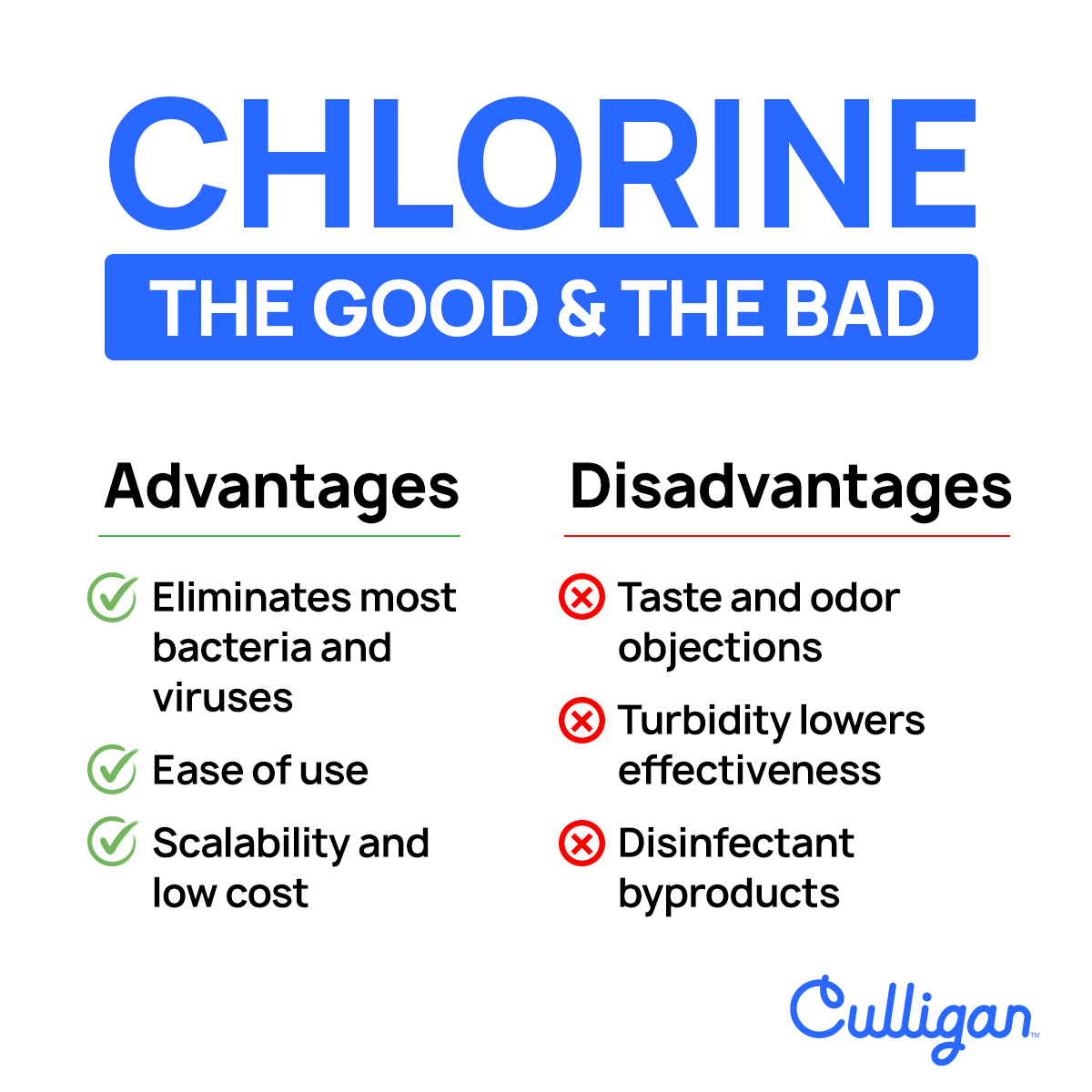
Chlorines vs. Chloramines: What’s The Difference?
Chlorine and chloramines are both disinfectants used to treat drinking water, but they behave differently.
Chlorine is a fast-acting disinfectant that effectively kills bacteria and viruses.
Chloramines are formed by combining chlorine with ammonia and are more stable over long distances in some water systems.
Most of the systems serving our area (Harrisonburg, Salem, and the Roanoke Valley) primarily use chlorine-based disinfection rather than chloramines, while Hagerstown uses chloramine. In the chlorine systems, that means:
- Disinfection occurs quickly during treatment
- A measurable chlorine residual is maintained in the distribution system
- Some taste or odor may be more noticeable compared to chloramine systems
Both methods are approved and widely used across the country to ensure safe drinking water.
Why Is Chloramine Added To Water?
Even though many cities primarily rely on chlorine, others use chloramine as a secondary disinfectant because it lasts longer in large or complex distribution systems.
Chloramine is added to:
- Maintain disinfection over longer distances
- Reduce the formation of certain disinfection byproducts
- Provide a more stable residual in systems where water travels far
Even in systems that use chloramine, some taste and odor concerns can still occur depending on individual sensitivity and plumbing conditions.
Does Hagerstown Use Chlorine?
Hagerstown’s drinking water is disinfected using chloramine, a combination of chlorine and ammonia. The city’s water quality report shows an average disinfectant residual of approximately 2.27 ppm, helping maintain water quality throughout the distribution system. While effective for disinfection, chloramines can sometimes contribute to a noticeable taste or odor in tap water.
Does Harrisonburg Use Chlorine?
Harrisonburg Public Utilities uses free chlorine as the primary disinfectant for water sourced from the Dry River and North River watersheds. The city’s water quality data reports an average chlorine residual of approximately 0.87 ppm. Chlorine helps protect against harmful microorganisms but may occasionally contribute to a chlorine smell or taste in household water.
Does Salem Use Chlorine?
The City of Salem Water Treatment Plant uses gaseous chlorine to disinfect drinking water drawn primarily from the Roanoke River. Salem’s water quality report shows an average chlorine level of approximately 1.1 ppm, which helps maintain water quality as water travels from the treatment plant to homes and businesses throughout the community.
Does Roanoke Use Chlorine?
The Western Virginia Water Authority uses chlorine disinfection throughout its regional water system, including Carvins Cove, Crystal Spring, Muse Spring, and Spring Hollow. Recent water quality reports show average chlorine residuals of approximately 0.86 ppm across these facilities, helping ensure safe drinking water throughout the Roanoke Valley.
How To Remove Chloramine From Your Tap Water
If you notice a chlorine-like smell or taste in your water, you may want to consider filtration options designed to reduce chloramines.
This is a common concern in homes, especially for those sensitive to disinfectant taste or odor.
Effective solutions include:
- Reverse osmosis systems for drinking water
- Whole-house carbon filtration systems for broader treatment
These systems are designed to reduce chloramines and improve overall water quality throughout your home.
Solutions
Suggested Products
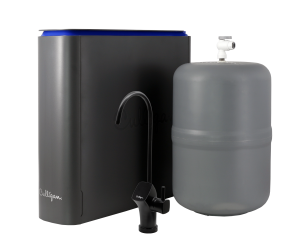
The Aquasential® Smart Reverse Osmosis Water Filter (RO)
- 7 stages of filtration and 12 filter options
- Certified for reduction of 58 contaminants
- 2-in-1 sediment and carbon filter screens out sediment and particles
- Can alert you and your dealer when service or filter replacements are needed
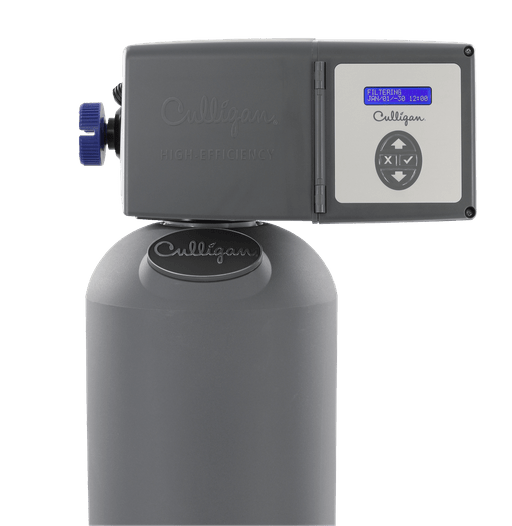
Aquasential™ Smart High Efficiency Whole House Water Filters
Reduce sediments in your water and contaminants that cause your water to appear, taste, and smell unpleasant. Your system can also lessen the taste and odor of chlorine, and prevent pipe damage and staining from low pH water. Additional customizations include:
- Culligan® Filtr-Cleer® Water Filters – Reduces Sediment Problems
- Culligan® Cullar® Water Filters – Reduces Taste and Odor Problems
- Culligan® Cullneu Water Filters – Reduces Acid Problems

Facebook